You Won’t Believe What Makes Bled’s Architecture So Wild
Nestled in the heart of Slovenia, Lake Bled is more than just crystal waters and mountain views—its architecture tells a story like no other. From a fairytale castle perched on a cliff to a church on a tiny island with 99 stone steps, every structure feels like it’s from another time. I was blown away by how history, nature, and design blend here so seamlessly. If you're planning a trip, knowing what to look for—and how to experience it right—makes all the difference.
The Magic of Bled Castle – More Than Just a View
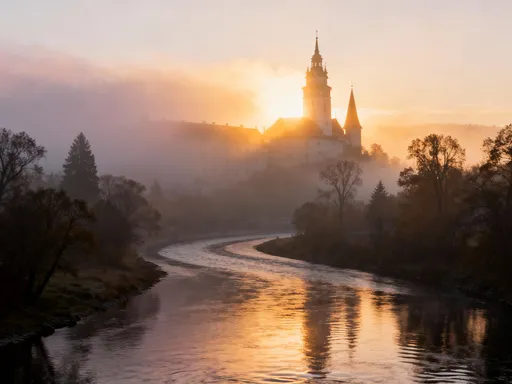
Bled Castle is not merely a postcard image; it is a living testament to over a millennium of Central European history. Perched atop a 130-meter-high cliff overlooking the emerald waters of Lake Bled, this fortress dates back to 1004 AD, making it one of the oldest documented castles in Slovenia. Originally built as a defensive outpost for the Bishops of Brixen, it served as a strategic stronghold, guarding trade routes between the Pannonian Basin and the Alps. Its position provided unparalleled visibility across the region, allowing early warning systems against invasions and ensuring control over local settlements.
Today, the castle remains remarkably intact, thanks to extensive restoration efforts in the 20th century. Visitors can explore its well-preserved chambers, including the 15th-century Gothic chapel dedicated to St. Mary, the castle museum showcasing medieval artifacts, and the atmospheric wine cellar where wines have been aged since the 16th century. The museum offers insight into feudal life, with displays of weaponry, religious relics, and historical documents that trace the evolution of governance and daily life in the region. One of the most captivating features is the open-air theater, which hosts cultural performances each summer, allowing guests to enjoy music and drama beneath the stars with a panoramic view of the lake below.
For travelers, timing is essential. To fully appreciate the castle without the press of crowds, arriving shortly after opening at 9:00 AM ensures a peaceful experience. The climb up the winding stone path may be steep, but handrails and shaded areas make it manageable even for older visitors or those with mild mobility concerns. Once at the top, the panoramic terrace offers one of the most photographed views in Europe—a perfect alignment of lake, island, and mountains, framed by the ancient stone walls of the fortress.
A visit wouldn’t be complete without sampling the castle’s famous cream-filled pralines, handmade daily using a secret recipe passed down through generations. These delicate pastries are more than a sweet treat; they represent a culinary tradition preserved alongside architectural heritage. The small café inside the courtyard also serves local honey, herbal teas, and regional wines, all sourced from nearby producers. By supporting these offerings, visitors contribute directly to the sustainability of local craftsmanship and cultural preservation.
St. Mary’s Church on the Islet – A Hidden Gem in the Middle of the Lake
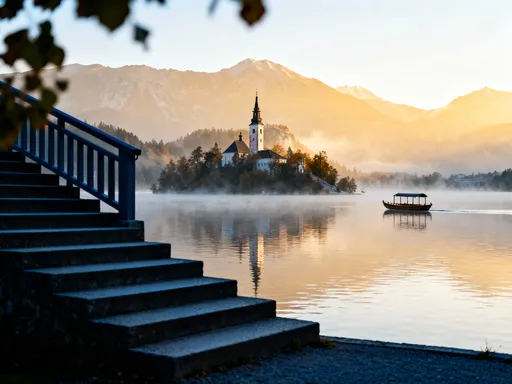
At the center of Lake Bled floats a tiny islet, home to the only natural island in Slovenia and the striking St. Mary’s Church. Rising from the water like a scene from a dream, the islet is accessible only by boat, adding to its aura of quiet sanctity. The current baroque church was constructed in the 17th century on the ruins of earlier religious structures dating back to the 9th century, reflecting centuries of spiritual devotion. Its bell tower, topped with a gilded onion dome, catches the morning light in a way that makes it appear to glow above the mist-covered lake.
One of the most enduring traditions associated with the church is the ringing of its bell. According to local legend, anyone who rings the bell with a sincere wish will have their prayer granted—provided they do so with pure intention. The bell itself weighs over half a ton and requires several people to swing it, a ritual often performed during special occasions or weddings. Locals still row across the lake on Sundays to attend mass, maintaining a centuries-old connection between faith, community, and landscape.
Access to the islet is made possible through traditional pletna boats, rowed by skilled oarsmen who navigate the short but scenic 15-minute journey from the mainland. While many tourists opt for the standard ride, choosing a morning departure—ideally between 7:00 and 8:30 AM—offers a more serene experience. The early light casts soft reflections on the water, and the air carries the scent of pine and damp earth, enhancing the sense of tranquility. Visitors are encouraged to observe quiet respect while on the islet, especially during services, and to refrain from loud conversations or intrusive photography inside the church.
Photographers will find the best vantage points along the western shore of the lake, particularly near the path leading to Bled Castle. From this angle, the church appears perfectly framed between the trees, with the Julian Alps rising in the distance. For those interested in history, the church’s interior features frescoes and wooden carvings from the baroque period, including an ornate altar and intricately carved pews. Guided tours are available upon request and often include stories about past pilgrims, royal visitors, and the role of the island as a sacred retreat through the ages.
Pletna Boats – Floating Icons of Traditional Craftsmanship
The pletna boats of Lake Bled are instantly recognizable—broad wooden vessels with asymmetrical design, where the oarsman stands at the stern and rows facing forward. This unique configuration allows for precise navigation through the narrow channels and reed-lined shores of the lake. Each boat is handcrafted from local spruce and ash, following techniques unchanged for over 500 years. The tradition is passed down through apprenticeships, ensuring that the knowledge of boatbuilding remains alive in the region.
Historically, these boats were used for fishing, transportation, and even religious processions to the island church. Today, they serve primarily as a cultural symbol and a beloved mode of tourist transport. However, their continued use is not merely nostalgic—it represents a commitment to sustainable tourism. Unlike motorized boats, pletnas produce no emissions and create minimal disturbance to the lake’s ecosystem. Their gentle movement through the water preserves the acoustic serenity of the surroundings, allowing birdsong and lapping waves to remain undisturbed.
For visitors, a ride in a pletna offers more than convenience—it is an immersive experience. Skilled oarsmen often share stories about the lake’s history, point out hidden details on the boats, and explain the meaning behind the carved symbols on the prow. Some boats feature floral motifs, while others include protective emblems believed to ensure safe passage. These carvings, though subtle, reflect a deep-rooted folk tradition that values both beauty and symbolism.
To truly appreciate the craftsmanship, travelers are advised to take their time boarding and to observe the construction details up close. The boats are wide enough to accommodate six to eight passengers comfortably, with cushioned benches and overhead canopies for shade. A round-trip journey to the islet typically lasts about 30 minutes, including a 15-minute stop to explore the church grounds. For a more personal experience, private rides can be arranged, allowing for quiet contemplation or intimate conversation as the boat glides across the glassy surface.
Alpine Influences in Bled’s Town Center – Where Style Meets Function
Walking along the lakeside promenade of Bled, one cannot help but notice the harmonious blend of architectural styles that define the town center. The buildings here reflect a fusion of Austrian and Slovenian alpine traditions, shaped by centuries of cultural exchange and environmental adaptation. Pointed roofs, wide eaves, and wooden balconies are not merely decorative—they are practical responses to the region’s heavy snowfall and frequent rainfall. The steep pitch of the roofs allows snow to slide off easily, preventing structural damage, while overhanging eaves protect walls and windows from moisture.
Facades are typically painted in soft pastel tones—creams, pinks, and pale blues—that complement the natural surroundings without overwhelming them. These colors were historically derived from natural pigments and lime washes, which also helped preserve the wood from decay. Many buildings feature intricate woodwork on balconies and gables, with floral patterns and geometric designs that reflect local craftsmanship. The use of locally sourced timber ensures that structures blend naturally into the forested landscape, creating a seamless transition between built and natural environments.
Along the promenade, visitors will find a variety of cafés and boutique shops housed in these traditional buildings. Some of the most authentic establishments are tucked away on side streets, where families have operated businesses for generations. These cafés often offer outdoor terraces with unobstructed views of the lake, making them ideal spots for enjoying a morning coffee or an afternoon slice of kremna rezina, the famous Slovenian cream cake. The experience is enhanced by the absence of loud music or commercial signage, as strict regulations limit advertising to maintain the town’s aesthetic integrity.
For those interested in architecture, a guided walking tour can provide deeper insight into construction techniques and historical context. Guides often highlight specific buildings, such as the historic Hotel Golf or the former villa of Yugoslav leader Josip Broz Tito, now repurposed as a conference center. These structures illustrate how alpine design principles have been adapted for both residential and public use, maintaining functionality while preserving cultural identity.
Modern Architecture That Respects the Past – Subtle But Smart
While Bled is celebrated for its historic charm, the town has not remained frozen in time. Careful modernization has introduced new infrastructure, including boutique hotels, visitor centers, and pedestrian pathways, all designed to enhance accessibility without compromising the area’s visual harmony. The key to this balance lies in strict zoning laws and architectural guidelines that require new constructions to use local materials, maintain low profiles, and align with traditional proportions.
One notable example is the Bled Information Center, built in the early 2000s with a sloping green roof that blends into the surrounding hillside. Constructed from reclaimed wood and natural stone, the building appears almost camouflaged, emerging gently from the landscape rather than imposing upon it. Large glass panels allow natural light to flood the interior while offering framed views of the lake, connecting visitors to the environment even before they step outside. Inside, digital displays and interactive maps provide practical information in multiple languages, supporting international travelers while reducing the need for printed materials.
Similarly, newer hotels and guesthouses follow a design philosophy of understated elegance. They avoid glass towers or flashy facades, instead opting for timber frames, sloped roofs, and muted colors that echo traditional alpine styles. Some incorporate energy-efficient technologies, such as geothermal heating and solar panels, discreetly integrated into the roofline. These innovations demonstrate how sustainability and heritage preservation can go hand in hand, ensuring that tourism growth does not come at the expense of environmental or cultural integrity.
The town’s commitment to architectural harmony extends to public spaces as well. Sidewalks are paved with local stone, benches are crafted from native wood, and lighting fixtures are designed to minimize light pollution. Even trash receptacles are styled to match the surroundings, avoiding the jarring presence of industrial bins. These details, though small, contribute to an overall sense of cohesion and care, reinforcing Bled’s reputation as a model of thoughtful urban planning.
How to Experience Bled’s Architecture Like a Local
To truly appreciate Bled’s architectural treasures, it helps to adopt the rhythm of local life. This means moving at a slower pace, observing details, and engaging with the community in meaningful ways. One of the simplest yet most effective tips is to wear comfortable, non-slip footwear. The town’s cobblestone paths, steep staircases, and forest trails can be challenging, especially for older visitors or those unaccustomed to uneven terrain. Proper shoes not only ensure safety but also allow for longer, more enjoyable explorations.
Timing visits to key sites is equally important. While midday brings the largest crowds, early mornings and late afternoons offer quieter moments to absorb the atmosphere. The castle, the islet, and the promenade are particularly beautiful in the soft light of dawn or dusk, when shadows lengthen and colors deepen. Avoiding peak tourist hours also increases the chances of meaningful interactions with shopkeepers, boatmen, and museum staff, who are more likely to share personal stories when not overwhelmed by demand.
Engaging with certified local guides can transform a casual visit into a rich educational experience. These professionals are trained in history, architecture, and environmental conservation, and they often include lesser-known anecdotes in their tours. For example, a guide might point out how certain buildings were rebuilt after earthquakes, or how traditional roof designs influence indoor temperature regulation. Their insights go beyond surface-level facts, offering a deeper understanding of how architecture shapes daily life.
Photography enthusiasts should practice respectful etiquette by avoiding tripods in crowded areas and refraining from blocking pathways for extended shots. The most compelling images often come from patient observation—waiting for the right light, capturing reflections on the water, or framing a building within its natural context. Sharing photos online with accurate captions and credit to local sources helps promote responsible tourism and supports the community’s efforts to preserve its heritage.
Why This Small Town Deserves Global Appreciation
Bled stands as a rare example of architectural harmony, where every structure—from ancient castle to modern visitor center—contributes to a unified sense of place. Unlike overdeveloped tourist destinations that sacrifice authenticity for convenience, Bled has chosen a path of mindful growth. Its buildings do not compete with nature; they converse with it. The castle does not dominate the cliff—it belongs to it. The church does not disrupt the island—it completes it. This delicate balance is not accidental; it is the result of decades of careful planning, community stewardship, and cultural pride.
What makes Bled truly remarkable is not just its beauty, but its sustainability. The town demonstrates that preservation and progress are not mutually exclusive. By honoring traditional craftsmanship, enforcing thoughtful zoning laws, and prioritizing environmental protection, Bled offers a blueprint for responsible tourism. It reminds us that destinations can thrive economically without losing their soul.
For families, especially women between 30 and 55 who value meaningful travel experiences, Bled offers more than scenic views—it offers connection. Connection to history, to nature, and to a way of life that values patience, care, and intention. Whether sipping tea on a lakeside terrace, listening to the church bell echo across the water, or walking through a forest path lined with wildflowers, visitors often leave with a renewed sense of peace and purpose.
In a world where many places are losing their uniqueness to globalization, Bled remains a sanctuary of authenticity. It invites travelers not just to see, but to feel—to slow down, to observe, and to appreciate the quiet wisdom embedded in its stones and timbers. The call to action is clear: travel mindfully, support local preservation efforts, and protect such treasures for future generations. Because places like Bled are not just destinations—they are legacies worth preserving.