This Is What Happens When Culture Comes Alive in Paramaribo
You know that feeling when a city surprises you in the best way possible? Paramaribo did exactly that. I went in expecting a quiet Caribbean capital, but instead stepped into a vibrant cultural melting pot where Dutch colonial charm meets Afro-Surinamese soul. From drumming circles to open-air markets bursting with flavor, every moment felt authentic. This isn’t just travel—it’s real connection. Let me take you through the experiences that made my trip unforgettable.
Arrival in a Hidden Gem: First Impressions of Paramaribo
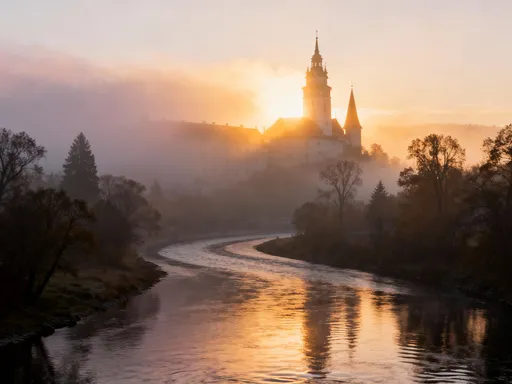
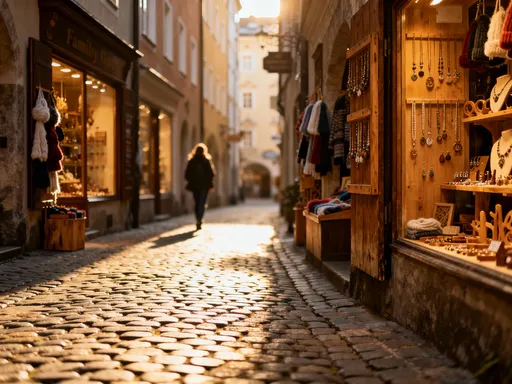
As the plane descended toward Paramaribo, the landscape revealed a lush tapestry of emerald rainforest stretching to the horizon, broken only by the occasional glint of river or rooftop. Stepping onto the tarmac, the warmth of the tropical air wrapped around me like a familiar embrace. What struck me most upon entering the city was the quiet confidence of its streets—neither hurried nor sleepy, but pulsing with a gentle rhythm all its own. Pastel-colored wooden buildings lined the boulevards, their ornate gables and wide verandas whispering stories of centuries past. These are not mere relics; they are lived-in, well-loved homes and shops, many dating back to the 17th and 18th centuries.
Paramaribo’s historic center has been recognized as a UNESCO World Heritage Site since 2002, a designation earned through its exceptional preservation of Dutch colonial architecture adapted to the tropical climate. The use of local hardwoods, raised foundations for ventilation, and large shuttered windows reflects both European design and practical Caribbean innovation. Yet, this is no museum city. Children play soccer in the shade of banyan trees, street vendors call out their daily specials, and the scent of fresh nutmeg and fried plantains drifts through the breeze. The juxtaposition of old and new, serene and spirited, creates a harmony that feels rare and precious.
The pace of life here invites you to slow down. There is no need to rush through checklists or landmarks. Instead, the city rewards presence—pausing to watch an elder mend a fishing net on his porch, listening to the distant beat of a drum rehearsal, or simply sitting on a park bench as families stroll by in their Sunday best. In these quiet moments, Paramaribo reveals itself not as a destination to be conquered, but as a living, breathing community to be respected and appreciated.
Walking Through History: The Heart of Downtown Paramaribo
Exploring downtown Paramaribo on foot is like walking through layers of time. Each block tells a different chapter of the nation’s story, where colonial history, multicultural resilience, and modern identity converge. The Presidential Palace, once the Governor’s residence under Dutch rule, stands proudly on Independence Square, its pale yellow façade and twin towers exuding quiet authority. Though it remains a working government building, the surrounding plaza is a gathering place for locals, especially on weekends when children fly kites and couples sip fresh coconut water under the shade of flamboyant trees.
A short walk away lies Fort Zeelandia, originally built in the 17th century as a defensive stronghold. Over time, it served as a prison and administrative center before being restored as a historical site. Today, visitors can walk its ramparts and peer into its former cells, now housing informative exhibits about Suriname’s colonial past and path to independence in 1975. What makes the fort compelling is not just its architecture, but its symbolism—a place of control transformed into one of education and remembrance.
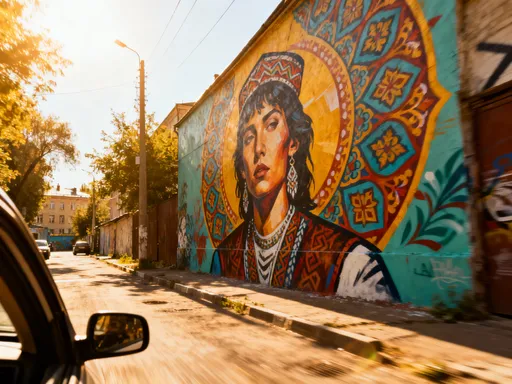
But the true magic of downtown lies in the quieter streets, where wooden houses with gingerbread trim line the avenues. These homes, often painted in soft blues, greens, and yellows, showcase a blend of Dutch structural design and Creole adaptations. Inside, families maintain traditions passed down for generations—cooking over wood fires, playing traditional music, and preserving languages like Sranan Tongo alongside Dutch, the official language. The coexistence of heritage and daily life is seamless, a testament to the city’s ability to honor its past without being trapped by it.
For first-time visitors, a guided walking tour offers invaluable context. Local guides—many of them historians or longtime residents—share personal anecdotes alongside historical facts, turning buildings into characters and streets into stories. They explain how Javanese, Hindustani, Chinese, and Indigenous influences have shaped the city’s identity, visible in everything from architectural details to street names. These tours do more than inform—they foster connection, reminding travelers that history is not distant, but lived.
Sunday at the Central Market: A Feast for the Senses
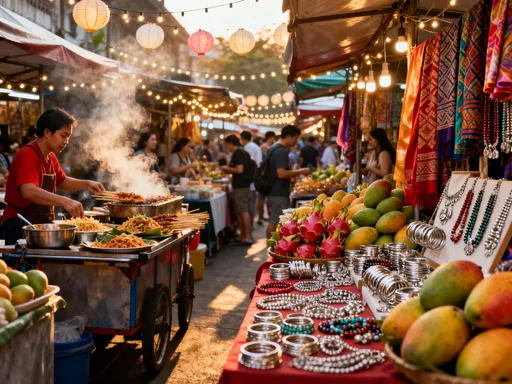
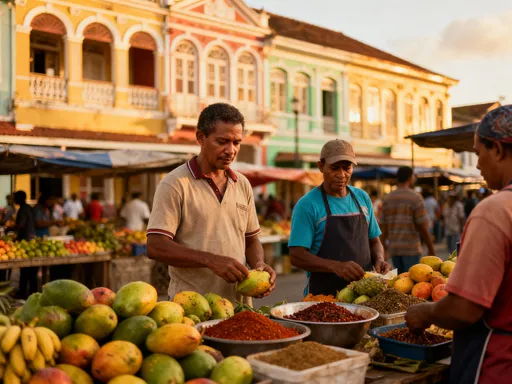
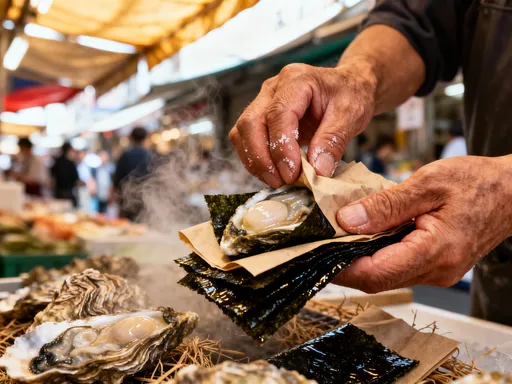
If Paramaribo has a heartbeat, it beats strongest at the Central Market on a Sunday morning. The air hums with energy as vendors set up stalls beneath bright tarps, arranging pyramids of mangoes, pineapples, and starfruit. The scent of smoked fish, ripe jackfruit, and freshly ground turmeric fills the alleys, mingling with the occasional whiff of diesel from passing minibuses. This is not a market designed for tourists—it is a vital part of daily life, where grandmothers haggle over the price of okra and fishermen lay out their morning catch on beds of ice.
Wandering through the covered halls and open-air sections, I was struck by the sheer diversity of goods. Baskets of bitterballen sit beside trays of roti, a legacy of Suriname’s Dutch and South Asian roots. Boluses—sweet fried dough pockets filled with banana or salted meat—are sold alongside trays of pom, a casserole made with grated tayer root, chicken, and a tangy citrus marinade, widely considered the national dish. Every bite tells a story of migration, adaptation, and celebration.
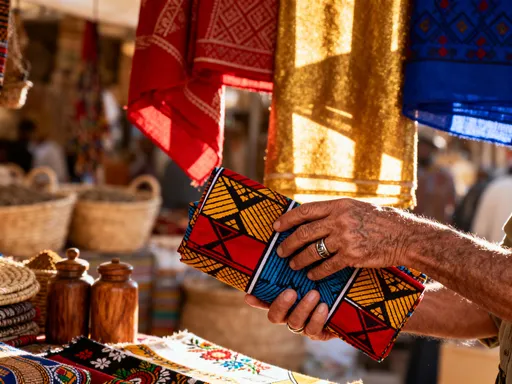
What makes the market truly special is the interaction. Vendors greet regular customers by name, and even strangers are met with warm curiosity. I struck up a conversation with a woman selling handmade duku, a traditional woven bag made from palm fibers. She smiled as she demonstrated the intricate weaving technique, explaining that her mother taught her as a child. These exchanges go beyond commerce—they are acts of cultural sharing, small moments of trust and openness.
The market also serves as a cultural crossroads. Hindu women in saris browse spice stalls next to Maroon elders in colorful cotton wraps, while young men in soccer jerseys carry bundles of firewood. It is here, in the bustle of everyday commerce, that Suriname’s motto—“Above all, unity”—feels most tangible. The Central Market is not just a place to shop; it is a living expression of the nation’s pluralism, resilience, and joy.
Rhythm of the People: Experiencing Afro-Surinamese Music and Dance
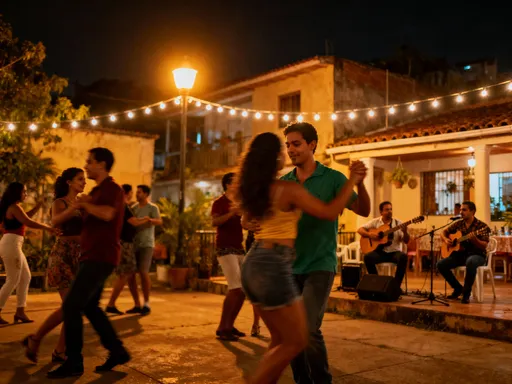
One evening, I followed the sound of drums to a community courtyard in the neighborhood of Flora. A group of musicians had gathered, their hands moving swiftly over djembes, maracas, and the skratji—a traditional bamboo scraper. The music was kaseko, a genre born from the fusion of African rhythms, European military brass, and Caribbean melodies. At first, the beat felt unfamiliar, complex in its polyrhythms, but soon my feet began to move on their own. This is the power of kaseko—it does not ask to be observed; it demands participation.
Kaseko emerged in the early 20th century among Afro-Surinamese communities, particularly descendants of enslaved people who preserved their ancestral drumming traditions in secret. Over time, the music evolved, incorporating instruments like the saxophone and trumpet during colonial times when brass bands were common. Today, kaseko is more than entertainment; it is a form of storytelling, a way to honor ancestors, celebrate identity, and express social commentary. Lyrics often touch on themes of freedom, love, and daily life, delivered in Sranan Tongo with wit and warmth.
As the night deepened, more people arrived—families with children, elders swaying in chairs, teenagers dancing with infectious energy. The musicians called out phrases, and the crowd responded in unison, turning the performance into a shared ritual. I was invited to join a circle dance, where steps were taught through gesture and laughter. There was no judgment, only encouragement. In that moment, I wasn’t a visitor—I was part of the rhythm.
Travelers can experience kaseko in various ways, from cultural festivals like the annual Suriname International Kaseko Festival to informal gatherings in neighborhoods and village squares. Some guesthouses and cultural centers offer workshops where visitors can learn basic drumming patterns or dance steps. The key is to engage with humility and respect, understanding that this music is not a performance for consumption, but a living tradition. When done right, such experiences foster genuine connection rather than appropriation.
Taste of Tradition: A Home-Cooked Surinamese Meal
One of the most memorable moments of my trip came not in a restaurant, but at the dining table of a local family in the suburb of Tammenga. Invited through a community-based tourism initiative, I joined them for a Sunday lunch that unfolded over three hours of eating, storytelling, and laughter. The table was laden with dishes that represented the full spectrum of Surinamese heritage: moksi meti, a hearty one-pot meal of mixed meats, rice, and vegetables; bakabana, ripe plantains wrapped in tayer leaves and steamed; and soursoup, a rich chicken stew flavored with sour oranges and herbs.
What struck me most was how food functioned as a language of its own. Each dish carried a history. The moksi meti, for example, originated among Creole families as a way to use available ingredients creatively, blending African cooking techniques with local produce. The roti, served warm and flaky, traced its roots to indentured laborers from India who brought their spices and flatbread recipes in the 19th century. Even the chili sauce on the side—fiery and fragrant—had a story, made from peppers grown in the family’s backyard garden.
As we ate, the grandmother of the household shared memories of cooking with her own mother, describing how recipes were passed down orally, adjusted by taste rather than measurement. “We cook with the heart,” she said, smiling as she refilled my plate. Her granddaughter, a university student, added that she now uses a smartphone to record her grandmother’s instructions, blending tradition with modern tools.
This meal was more than nourishment—it was an act of welcome, a gesture of trust. In a world where travel can sometimes feel transactional, such moments restore faith in human connection. They remind us that the deepest cultural insights are not found in guidebooks, but around tables where stories are shared, and strangers become guests.
Beyond the City: Cultural Villages and River Journeys
While Paramaribo offers a rich cultural tapestry, a deeper understanding of Suriname unfolds beyond the capital, along the winding rivers that cut through the rainforest. I took a day trip up the Suriname River to visit a Maroon village, accessible only by motorized canoe. The journey itself was mesmerizing—gliding past mangroves, spotting herons and howler monkeys, and feeling the cool mist on my face as we accelerated through narrow channels.
The Maroons are descendants of enslaved Africans who escaped plantations centuries ago and established independent communities in the interior. Their cultures, such as the Saramacca and Aukan peoples, have preserved unique languages, spiritual practices, and governance systems. In the village, I was welcomed by a council of elders who explained their way of life with quiet pride. They demonstrated traditional wood carving, showed us medicinal plants used in healing, and shared oral histories that stretched back generations.
What stood out was the emphasis on sustainability and reciprocity. Tourism is carefully managed—visitors are asked to follow guidelines, such as not photographing sacred sites or removing natural materials. In return, they receive authentic experiences: learning to weave baskets, tasting cassava bread baked in outdoor ovens, or listening to drumming circles under the stars. These exchanges are not performances; they are invitations into a way of life that values balance with nature and community cohesion.
Similar experiences are available in Indigenous villages, such as those of the Lokono and Kalina peoples, who inhabit different regions of the country. Whether learning about herbal medicine, participating in a storytelling session, or helping prepare a communal meal, these visits foster mutual respect. They also support local economies, ensuring that cultural preservation is not just symbolic, but sustainable. For travelers, such journeys offer a rare opportunity to move beyond observation and into meaningful engagement.
Why Paramaribo Stays With You: The Quiet Power of Cultural Travel
Looking back, what lingers most from my time in Paramaribo is not any single landmark or dish, but a feeling—a sense of having been truly seen and welcomed. In a world where travel is often reduced to photo ops and itinerary checklists, Paramaribo offers something deeper: the chance to connect with culture as it is lived, not staged. It teaches the value of slowing down, of listening more than speaking, of accepting hospitality as a gift rather than a service.
This city, often overlooked on Caribbean itineraries, challenges the notion that significance is measured by size or fame. Its power lies in its authenticity—in the way a grandmother hums a kaseko tune while shelling peas, in the pride of a woodcarver showing his latest creation, in the laughter shared over a plate of hot roti. These moments are not curated for visitors; they are simply part of life, generously shared with those who approach with respect.
Cultural travel, at its best, transforms both the traveler and the place. It fosters empathy, breaks down stereotypes, and reminds us of our shared humanity. Paramaribo does not shout its wonders—it whispers them. And in that quiet, there is a profound truth: that the most meaningful journeys are not about where you go, but how you open yourself to what’s already there.
So if you’re ready to move beyond the surface, to trade spectacle for substance, let Paramaribo be your next destination. Let the rhythm of its streets, the warmth of its people, and the depth of its heritage remind you that culture, when felt firsthand, does not stay in the past. It becomes part of who you are.